Cybersecurity Infrastructure

Border Security PS2400

How Modern Governments Track Security Threats Across Borders

How Modern Governments Track Security Threats Across Borders Modern security threats no longer operate within geographic boundaries. Cyber attacks, financial crime, terrorism, digital espionage, coordinated disinformation, and organized criminal networks increasingly function across multiple countries simultaneously, forcing governments to build intelligence systems capable of tracking threats beyond traditional borders. Artificial intelligence, digital governance platforms, procurement […]

How Modern Governments Track Security Threats Across Borders Read More »

DevSecOps 1

Why African Countries Need Their Own Secure Cloud Ecosystems

Why African Countries Need Their Own Secure Cloud Ecosystems Africa’s digital future cannot depend entirely on externally controlled infrastructure. As governments, financial institutions, telecommunications providers, and national services become increasingly digital, secure sovereign cloud ecosystems are becoming essential for resilience, operational control, and long-term strategic independence. Artificial intelligence, digital governance platforms, procurement analytics, automated auditing,

Why African Countries Need Their Own Secure Cloud Ecosystems Read More »

AI Integration in Software Development and Cybersecurity

AI Integration in Software Development and Cybersecurity

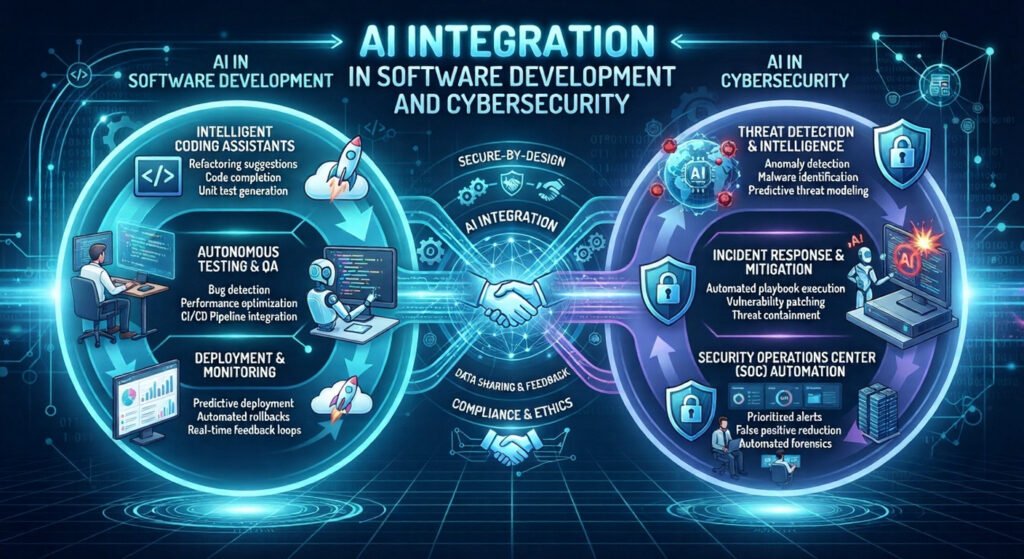
AI Integration in Software Development and Cybersecurity Artificial intelligence is transforming software development from static application engineering into adaptive, intelligent, and autonomous digital infrastructure. Modern businesses are no longer asking whether AI should be integrated. They are determining how quickly they can deploy it strategically across operations. Artificial intelligence, digital governance platforms, procurement analytics, automated

AI Integration in Software Development and Cybersecurity Read More »

Network Monitoring

Differences Between Network Monitoring and Network Security Monitoring

Differences Between Network Monitoring & Network Security Monitoring Modern organizations cannot protect infrastructure effectively without understanding the difference between network monitoring and network security monitoring. While both operate together, they solve fundamentally different operational problems inside digital environments. Artificial intelligence, digital governance platforms, procurement analytics, automated auditing, and transparency systems are transforming how governments detect

Differences Between Network Monitoring and Network Security Monitoring Read More »

Cyber Security Monitoring

What Is Cyber Security Monitoring?

What Is Cyber Security Monitoring? Cyber security monitoring is the continuous process of observing, analyzing, and responding to digital activity across systems, applications, APIs, infrastructure, and user environments to detect threats before they escalate into operational compromise. Artificial intelligence, digital governance platforms, procurement analytics, automated auditing, and transparency systems are transforming how governments detect risks,

What Is Cyber Security Monitoring? Read More »

Real Time Threat Monitoring Systems for Governments

Building Real-Time Threat Monitoring Systems for Governments

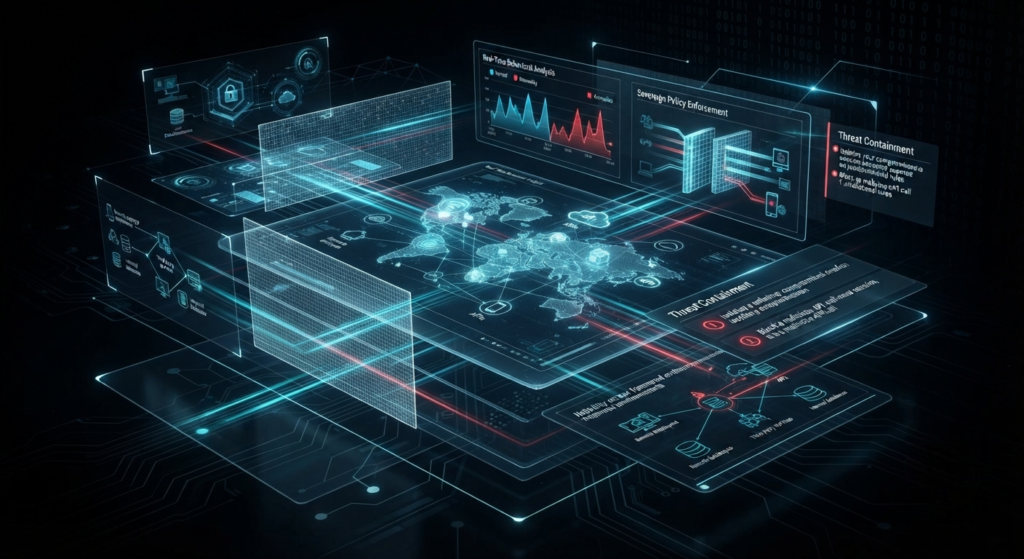
Building Real-Time Threat Monitoring Systems for Governments Modern governments can no longer rely on delayed reporting, fragmented monitoring tools, or reactive security operations. National resilience increasingly depends on real-time threat visibility across digital infrastructure, communications networks, public systems, and critical services. Artificial intelligence, digital governance platforms, procurement analytics, automated auditing, and transparency systems are transforming

Building Real-Time Threat Monitoring Systems for Governments Read More »

Cybersecurity Africa Website1 1536x829 2

The Future of African Cyber Defense Systems

The Future of African Cyber Defense Systems Africa’s next generation of national security will not be defined only by military expansion or physical infrastructure. It will be defined by how effectively nations secure digital systems, protect critical infrastructure, and establish sovereign control over cyber operations. Artificial intelligence, digital governance platforms, procurement analytics, automated auditing, and

The Future of African Cyber Defense Systems Read More »

images 3

Why National Security Starts With Software Infrastructure

Why National Security Starts With Software Infrastructure Modern nations are no longer secured only by borders, military assets, or physical surveillance. National stability now depends on the integrity, control, and resilience of the software systems operating beneath government, finance, communications, energy, and public infrastructure. Artificial intelligence, digital governance platforms, procurement analytics, automated auditing, and transparency

Why National Security Starts With Software Infrastructure Read More »

ezgif.com webp maker 13

Why VPNs, Firewalls, and Tor Still Fail to Stop Modern Cyber Threats

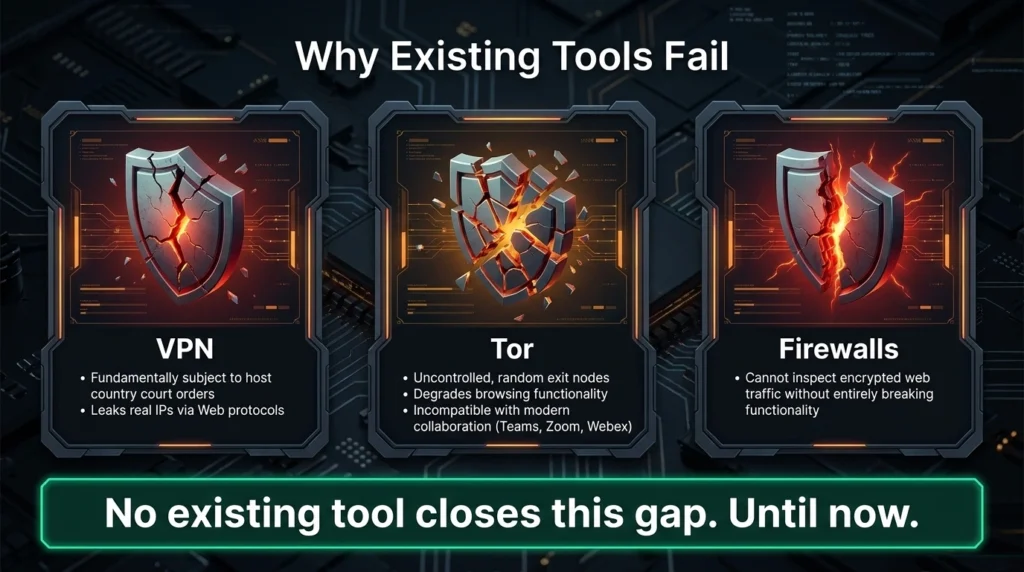
Why VPNs, Firewalls, and Tor Still Fail to Stop Modern Cyber Threats Security tools fail when organizations mistake isolated protection layers for complete security architecture. Modern cyber threats exploit behavioral gaps, application logic, human trust, and operational complexity far beyond network-level defenses. Artificial intelligence, digital governance platforms, procurement analytics, automated auditing, and transparency systems are

Why VPNs, Firewalls, and Tor Still Fail to Stop Modern Cyber Threats Read More »

ezgif.com webp maker 12

Sovereign Application Layer Policy Filtering for National Digital Control

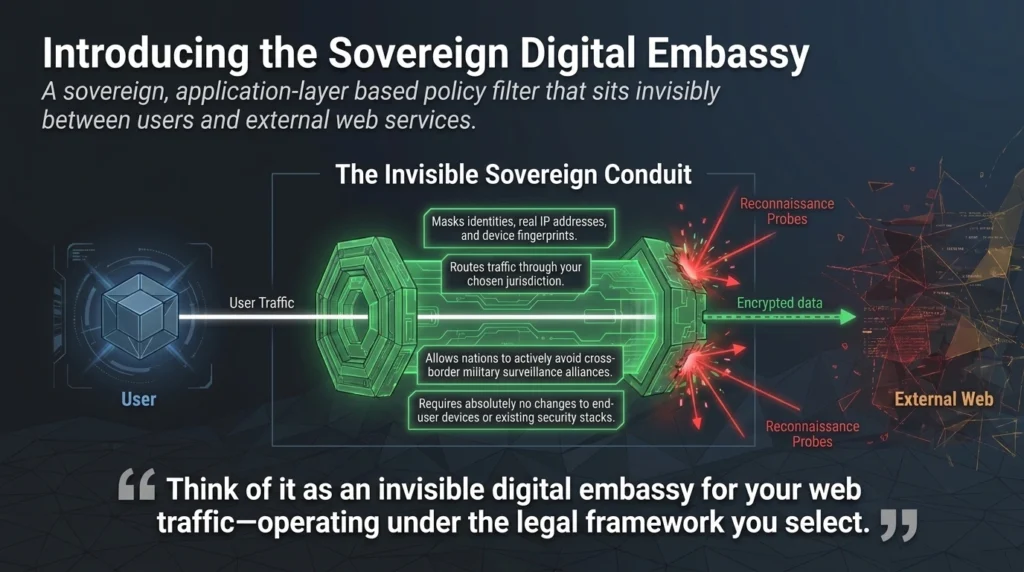
Sovereign Application Layer Policy Filtering for National Digital Control Modern digital sovereignty is no longer achieved solely through infrastructure ownership. True control now exists at the application layer — where requests, data flows, user behavior, and external platform interactions are continuously governed in real time. Artificial intelligence, digital governance platforms, procurement analytics, automated auditing, and

Sovereign Application Layer Policy Filtering for National Digital Control Read More »

Scroll to Top