LMNOP Gray Label ID Logo2 1

What is Grey Labeling in Software? 

What is Grey Labeling in Software? The Secret Behind Rapid Enterprise SaaS, FinTech, and AI Platform Launches Have you ever wondered how an enterprise corporation, fintech startup, or digital agency launches a fully functional software-as-a-service (SaaS) platform, analytics tool, or AI workflow engine in just a few months? They rarely build every line of core […]


What is Grey Labeling in Software?  Read More »

bmw cobranding lv

What is Co-Branding in Software? How to Launch Enterprise SaaS Platforms and Tech Partnerships

What is Co-Branding in Software? How to Launch Enterprise SaaS Platforms and Tech Partnerships Looking for a fast way to scale your software product into new enterprise markets? Whether you are building cloud platforms, fintech tools, or AI solutions, tech co-branding is a powerful growth strategy. It allows two software companies to combine their core

What is Co-Branding in Software? How to Launch Enterprise SaaS Platforms and Tech Partnerships Read More »

Co Branding

How to Partner Up and Double Your App Downloads

How to Partner Up and Double Your App Downloads! Trying to figure out how to grow your software user base fast? Instead of wasting thousands on ads, many tech companies are turning to co-branding software partnerships (also called dual labeling) to launch new features, share marketing costs, and instantly tap into each other’s audiences. Strategic

How to Partner Up and Double Your App Downloads Read More »

The Architecture of Private Labeling

The Architecture of Private Labeling: Engineering Exclusive Proprietary Software

The Architecture of Private Labeling: Engineering Exclusive Proprietary Software Private labeling moves beyond generic white-label software. It is a development model where core technical codebases are customized, feature-locked, and deployed exclusively for a single enterprise buyer, granting them a unique market advantage without the liability of initial infrastructure R&D. Strategic enterprise private labeling and isolated

The Architecture of Private Labeling: Engineering Exclusive Proprietary Software Read More »

Multi Tenant Systems for Infinite Redistribution

White Labeling : Multi-Tenant Systems for Infinite Redistribution

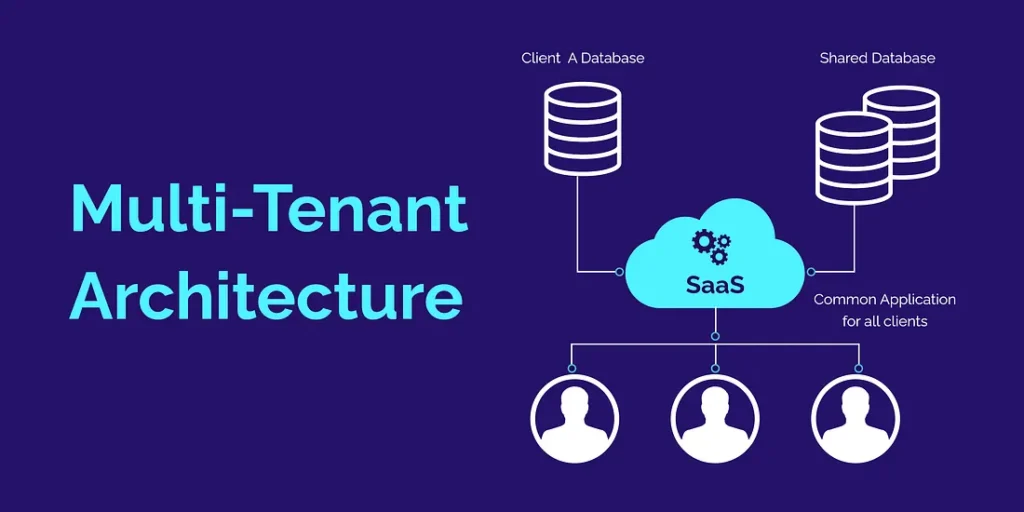
White Labeling Architecture: Engineering Multi-Tenant Systems for Infinite Redistribution White labeling is no longer just physical products re-skinning. Modern enterprise white labeling is a complex architectural paradigm combining complete multi-tenant database isolation, dynamic runtime stylesheet injection, automated reverse proxy routing, and independent transactional gateway loops. Advanced white-label architecture and scalable multi-tenant infrastructure systems empower organizations

White Labeling : Multi-Tenant Systems for Infinite Redistribution Read More »

shutterstock 790134829.2e16d0ba.fill 1200x630 1

Building Smart Immigration and Border Security Systems

Building Smart Immigration and Border Security Systems Modern immigration and border security systems are no longer just physical checkpoints. They are complex digital ecosystems combining identity verification, biometric authentication, risk analytics, travel data processing, and real-time intelligence sharing across national and international agencies. Advanced digital immigration platforms and automated biometric verification infrastructure enable governments to

Building Smart Immigration and Border Security Systems Read More »

d governance

The Future of Digital Governance

The Future of Digital Governance Digital governance is evolving from static e-government portals into real-time, data-driven, and infrastructure-centric systems. Governments are shifting toward integrated platforms that unify identity, services, analytics, and decision-making into continuous digital ecosystems. Artificial intelligence, digital governance platforms, procurement analytics, automated auditing, and transparency systems are transforming how governments detect risks, strengthen

The Future of Digital Governance Read More »

CloudDevOps 2

How Modern DevOps Can Transform Public Sector

How Modern DevOps Can Transform Public Sector Public sector IT systems are often slow to change, difficult to maintain, and heavily dependent on legacy infrastructure. Modern DevOps practices—automation, continuous delivery, infrastructure as code, and observability—can fundamentally reshape how governments build, deploy, and operate digital services at scale. Artificial intelligence, digital governance platforms, procurement analytics, automated

How Modern DevOps Can Transform Public Sector Read More »

hq720 1 removebg preview

Why Government Systems Must Be Designed for Scalability

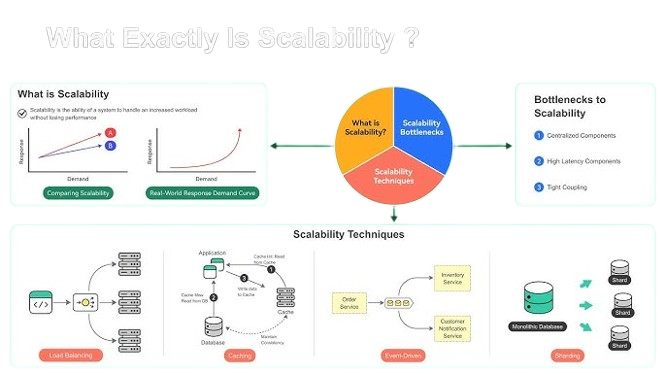
Why Government Systems Must Be Designed for Scalability Government systems operate at national scale, serving millions to hundreds of millions of citizens simultaneously. Unlike typical enterprise software, they cannot fail under peak load, crisis conditions, or sudden demand surges. Scalability is not a performance feature — it is a core requirement for national stability. Artificial

Why Government Systems Must Be Designed for Scalability Read More »

National Elections Digital Infrastructure

Building Digital Infrastructure for National Elections

Building Digital Infrastructure for National Elections Modern elections are no longer just logistical events — they are large-scale digital operations involving voter registration systems, biometric identity verification, result transmission networks, cybersecurity defenses, and real-time public communication systems. The integrity of national elections increasingly depends on the strength of their underlying digital infrastructure. Artificial intelligence, digital

Building Digital Infrastructure for National Elections Read More »

Scroll to Top